Soil Testing
- Home
- Soil Testing

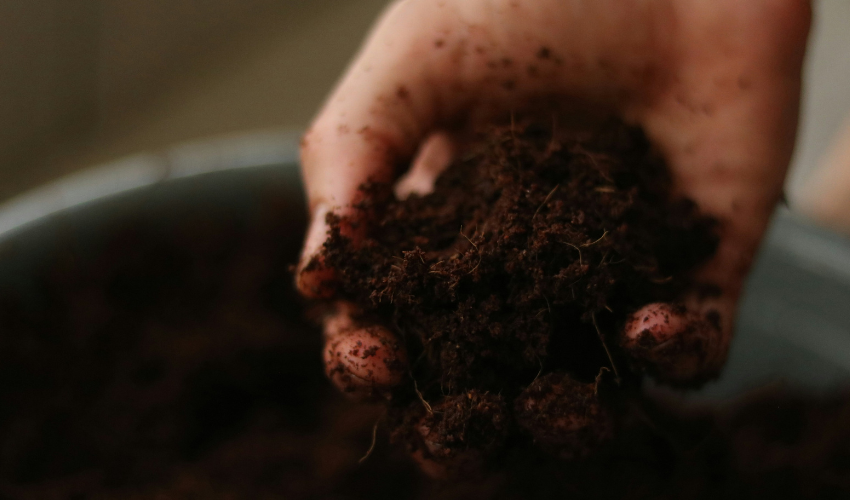
Healthy crops begin with healthy soil. Gramology’s Soil Testing service helps farmers understand the condition, fertility, and nutrient requirements of their soil so they can make informed cultivation decisions and improve overall farm productivity.
Through detailed soil analysis and practical agricultural guidance, farmers can identify nutrient deficiencies, understand suitable crop options, receive fertilizer recommendations, and develop effective yield improvement strategies. This scientific approach helps reduce unnecessary input costs while protecting long-term soil health.

Understand soil fertility and nutrient availability to make informed decisions for healthier crops and improved productivity.
Identify essential nutrient deficiencies and receive practical guidance for balanced soil nutrition and stronger crop growth.
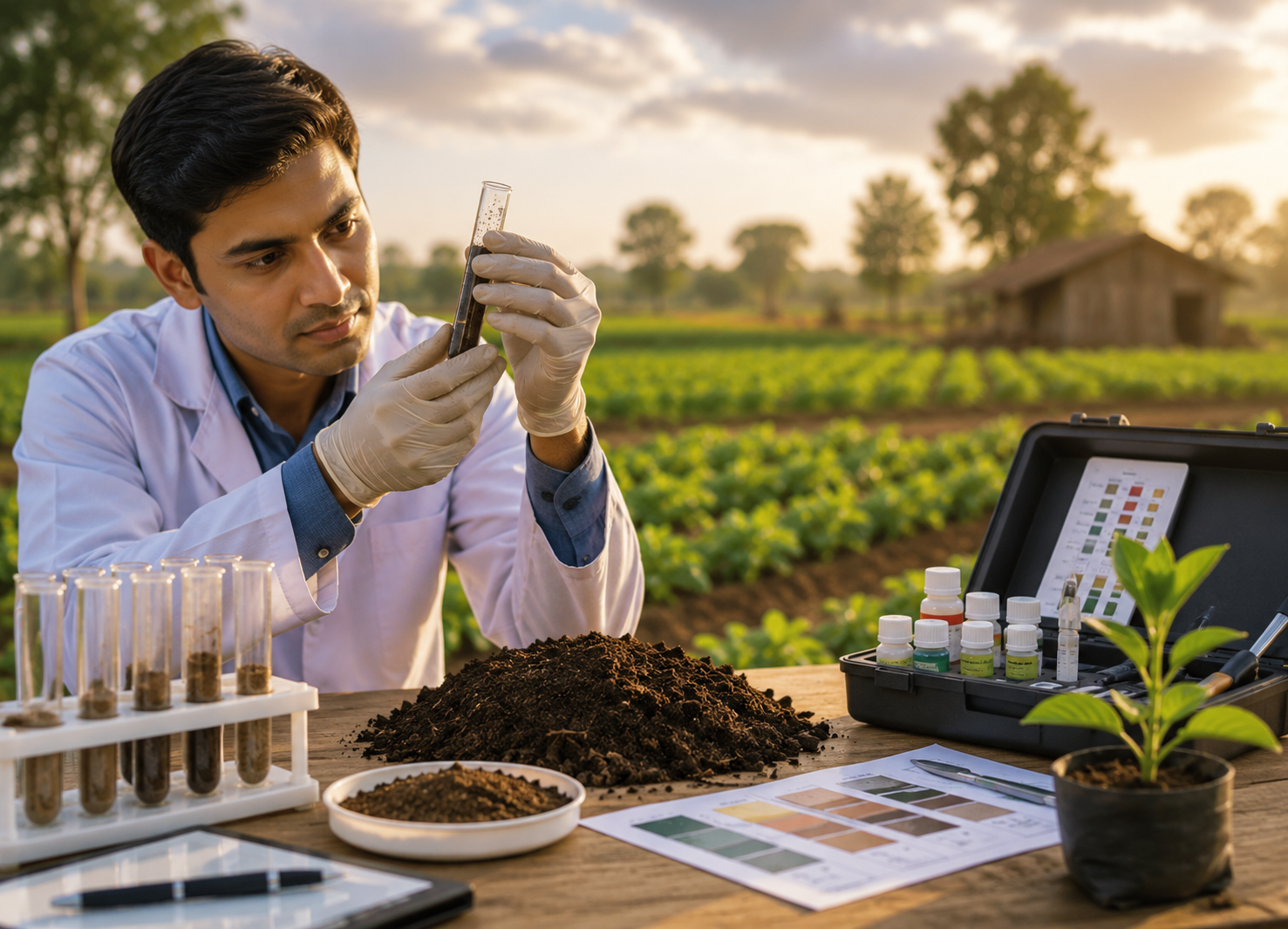
Understanding the soil before cultivation helps farmers make precise decisions about crop selection, nutrient management, and fertilizer application. Gramology turns soil information into practical farming guidance.
Scientific soil understanding helps farmers improve productivity while reducing unnecessary agricultural inputs. The result is healthier soil, stronger crops, and better long-term farming performance.

Learn how Gramology’s Soil Testing service helps farmers understand soil fertility, identify nutrient deficiencies, improve crop planning, and reduce unnecessary input costs.
Soil testing helps farmers understand fertility levels and nutrient deficiencies before cultivation. This information supports better decisions about crop selection, nutrient management, and fertilizer application.
Farmers can gain insights into soil fertility, nutrient deficiencies, suitable crop options, fertilizer requirements, and strategies that can support better yield and crop quality.
Yes. By understanding the actual nutrient requirements of the soil, farmers can avoid unnecessary fertilizer use and apply inputs more effectively according to identified soil needs.
Soil testing supports better crop planning and balanced nutrient management. When farmers understand their soil condition, they can make more precise decisions that support healthier crops, improved quality, and better productivity.